Rating: 4/5 Stars
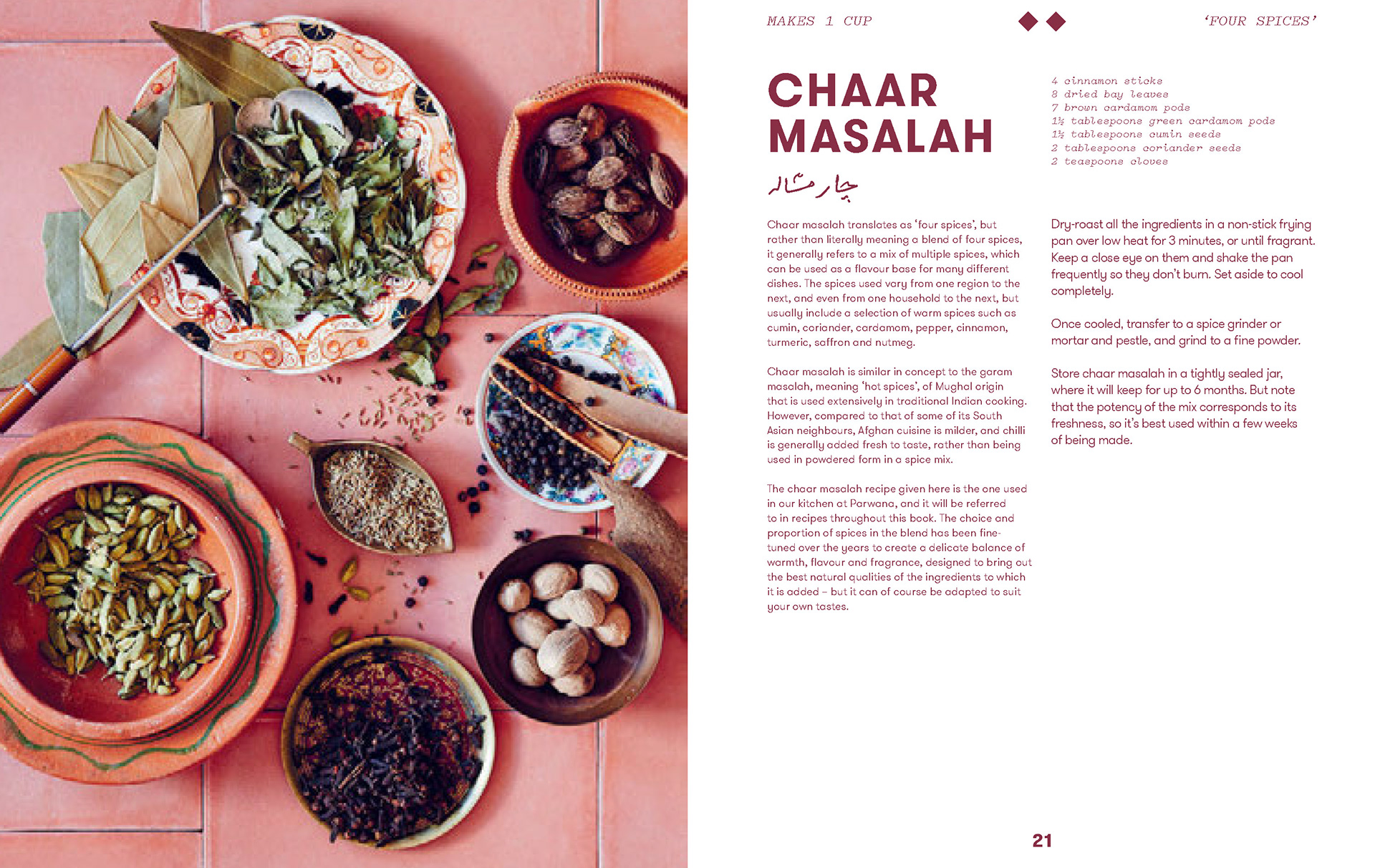
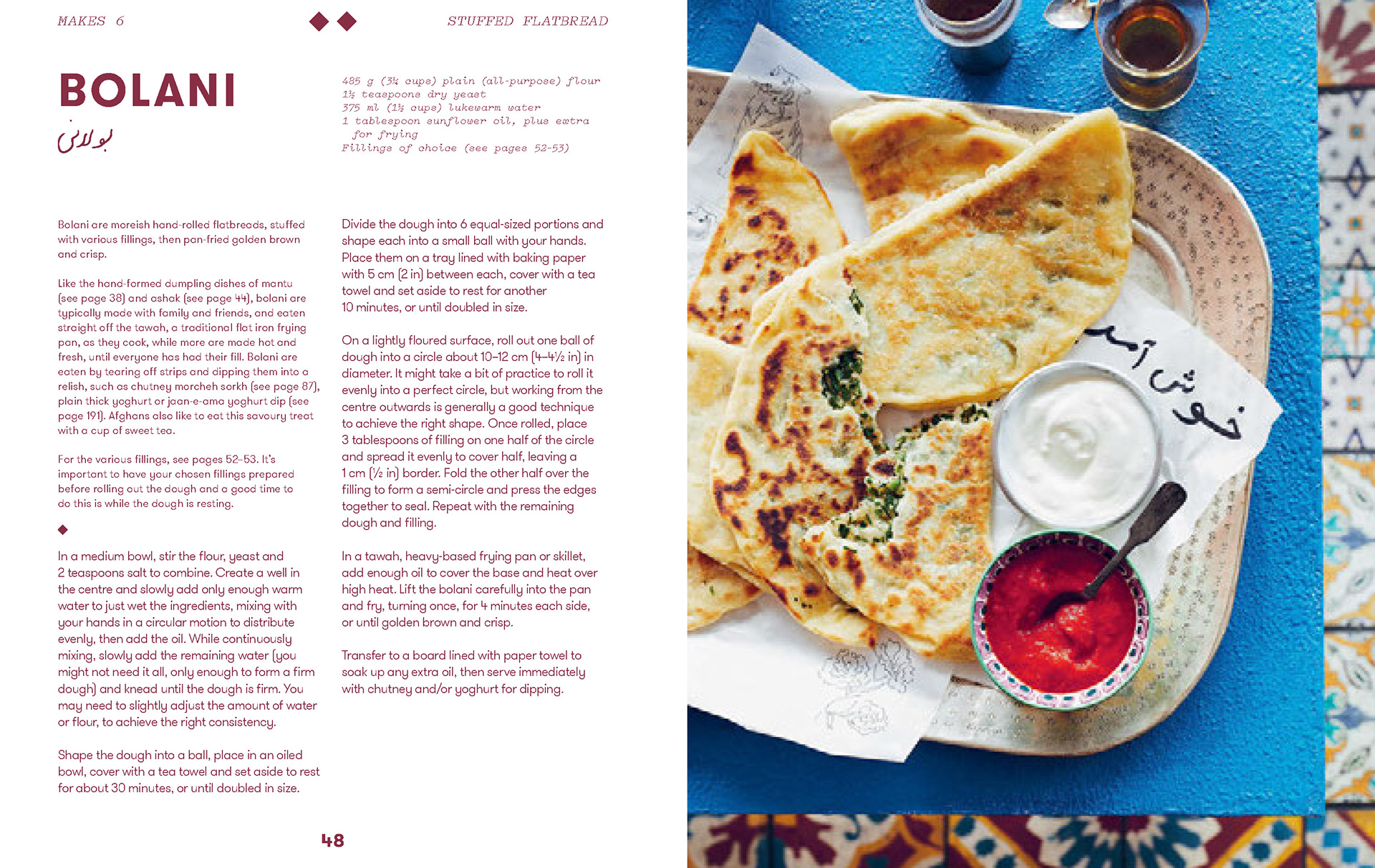
I deducted one star due to the difficult-to-read font size and typography. As other reviewers have noted, those with vision challenges may find themselves resorting to taking photos of the recipes with their smartphones just to pinch-zoom and decipher the fractional measurements.
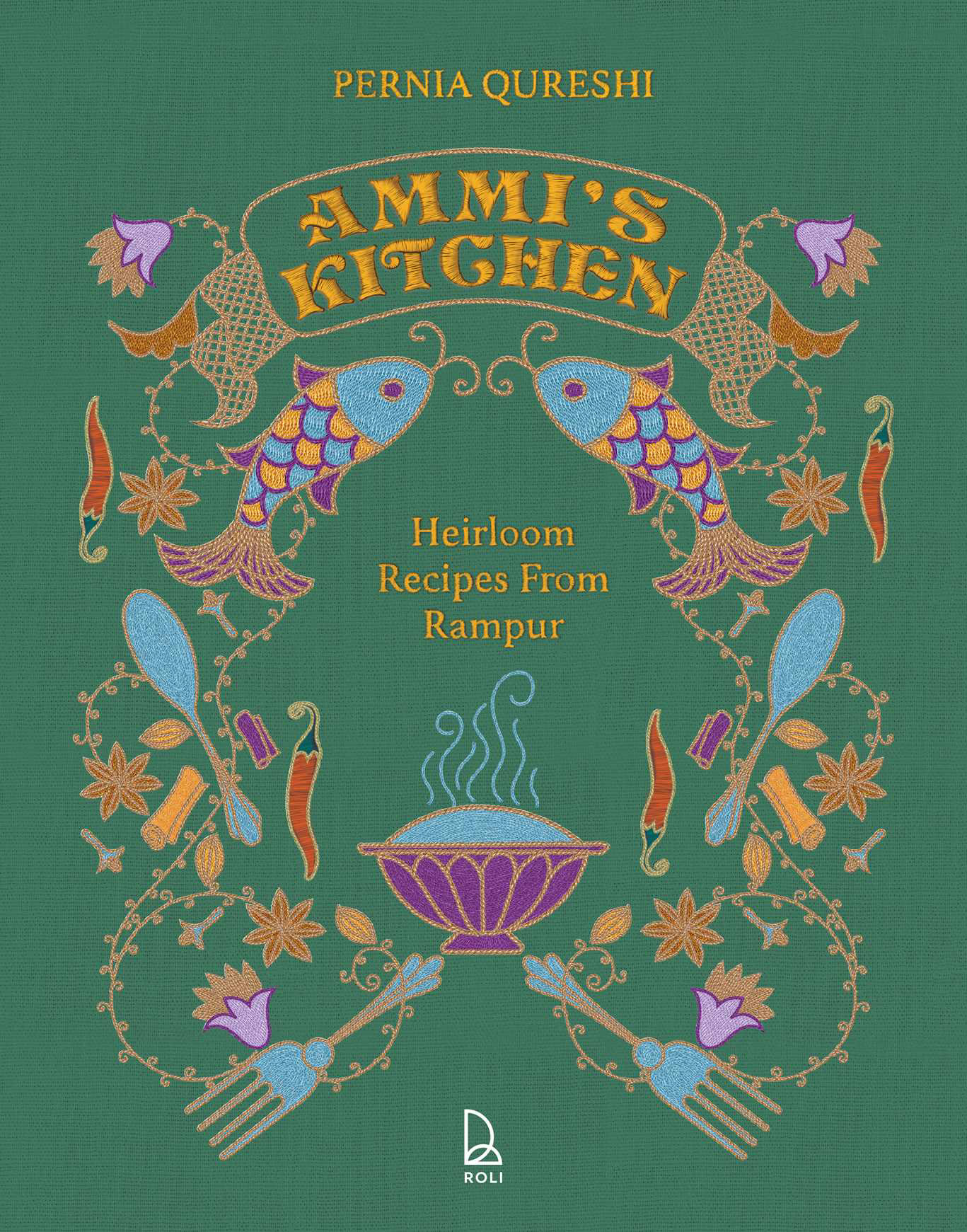
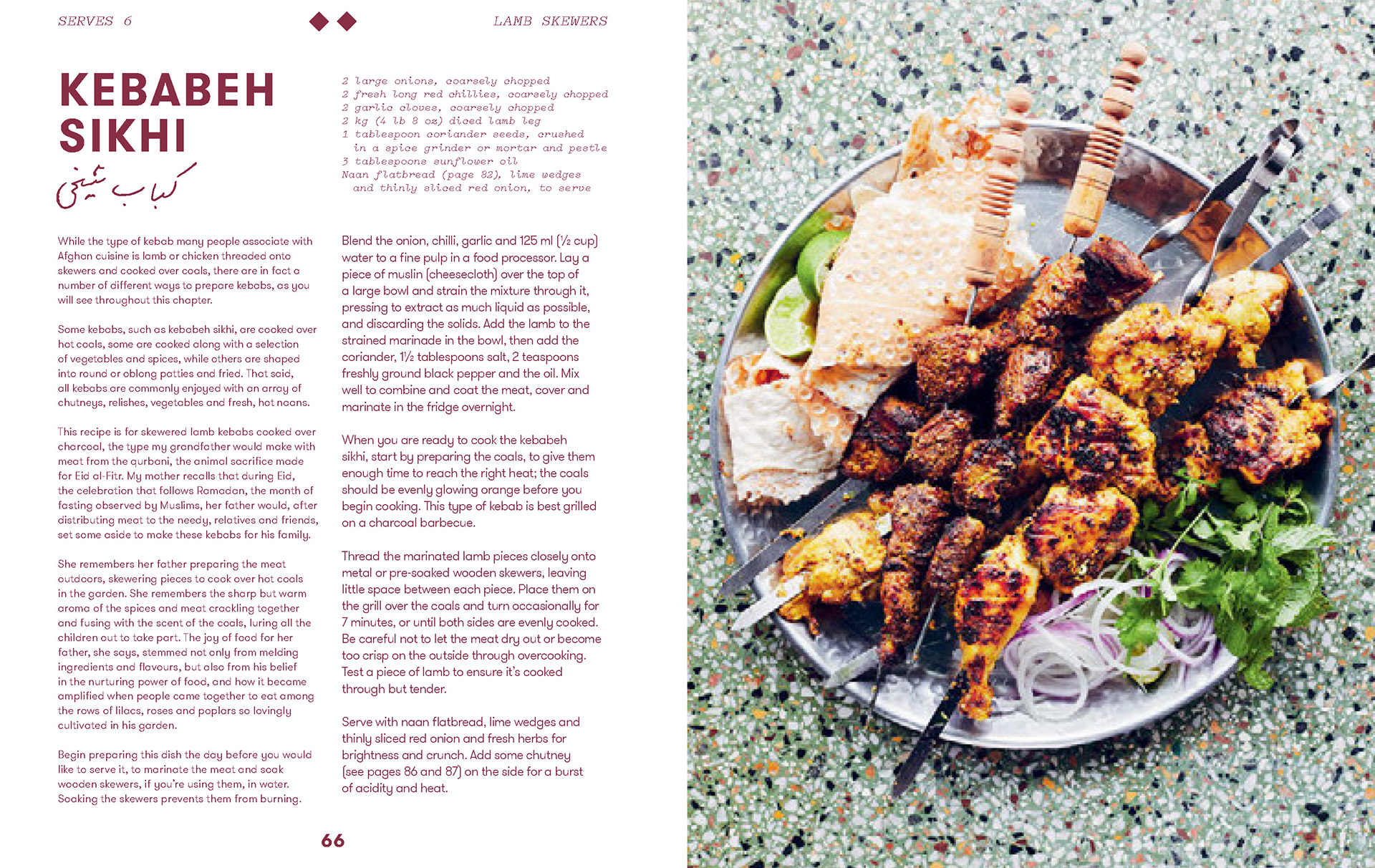
I am a personal chef based in Northern California, and my professional focus is exploring the regional and provincial cuisines of present-day India, Pakistan, Bangladesh, Iran, and Afghanistan. When deciding between cookbooks highlighting Afghan cuisine, the primary choices are Parwana: Recipes and Stories from an Afghan Kitchen by Durkhanai Ayubi and Saphar: A Culinary Adventure Through Afghanistan by Parwin Zamani.
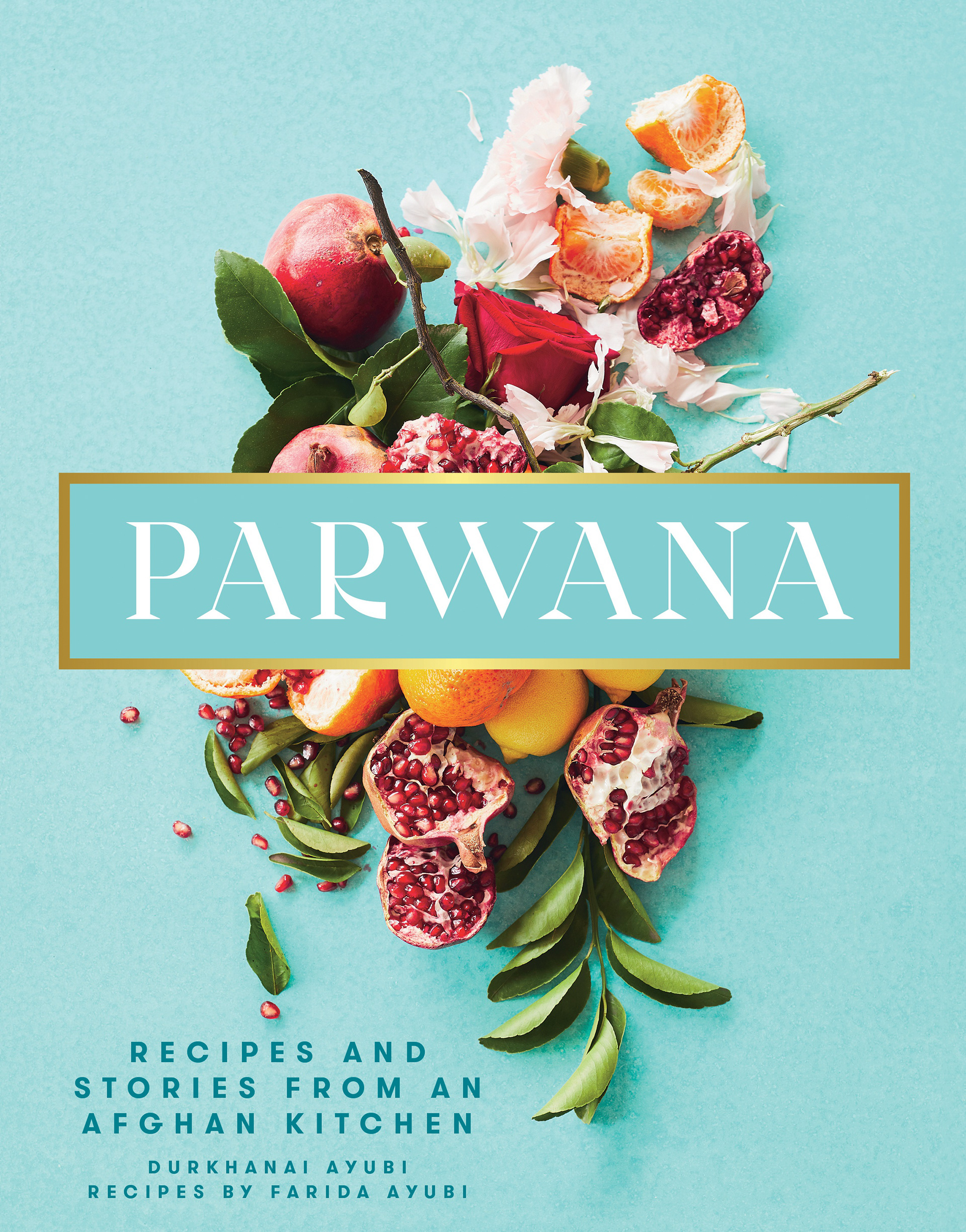
Although Mrs. Ayubi’s book is more easily accessible via Amazon US, I was equally captivated by the provincial highlights in Saphar (ISBN: 9789090340616). Published by brothers Massoud and Sultan of the Netherlands-based Hassani Holding BV, Saphar features the traditional recipes of their mother, Mrs. Parwin Zamani. If your budget allows, I recommend buying both! While Parwana is widely available through domestic retailers, Saphar must be purchased through the brothers' own Silk Cooking website. It currently costs 42 USD, plus 12 USD for shipping from the Netherlands to the US.
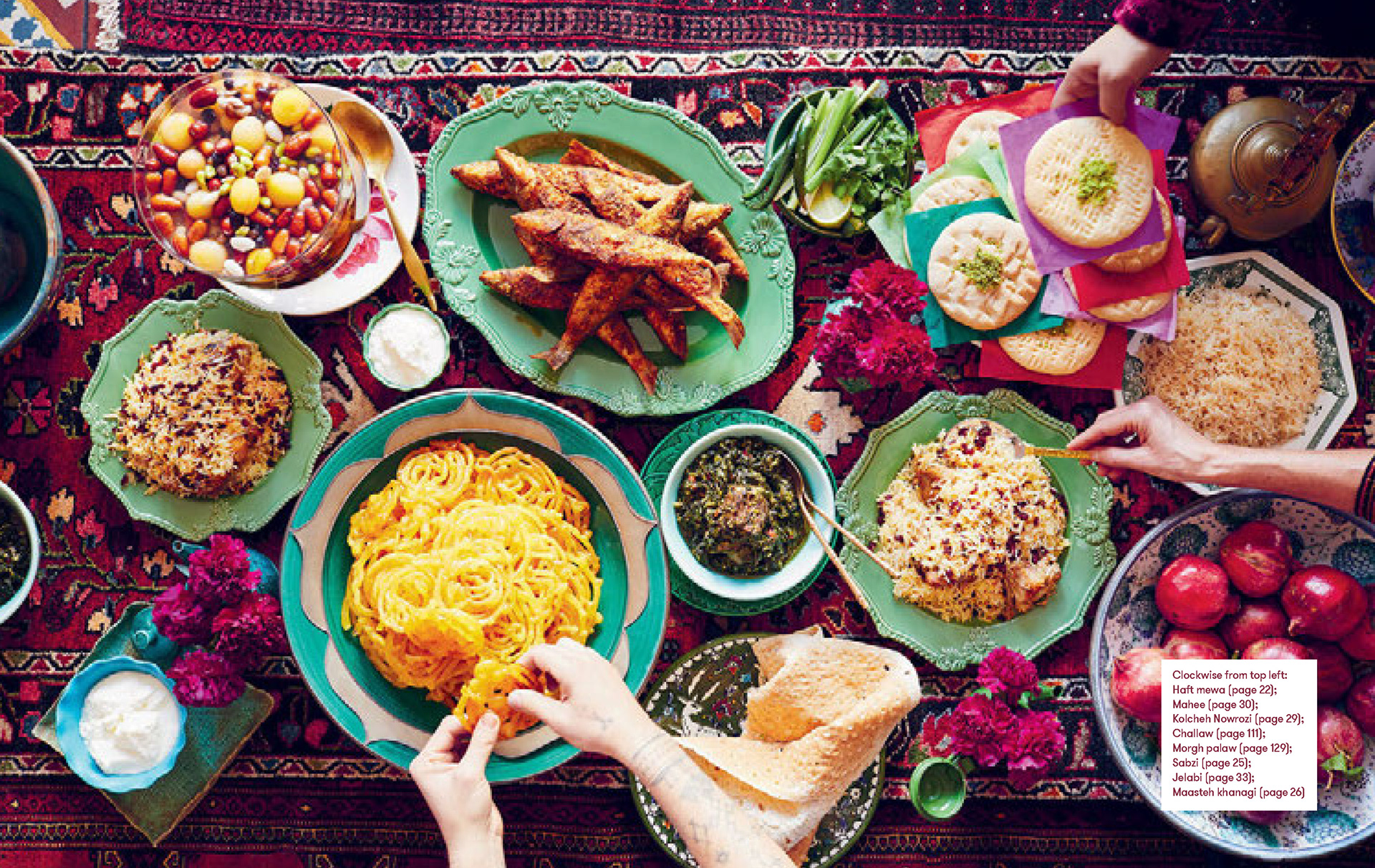
As far as the recipes are concerned, they are classical and traditional. Taking the time to properly prepare your mise-en-place will build confidence while learning any cooking style. One of my favorite recipes in Parwana is the Chapli Kebab; be sure to apply the cold-smoking technique to truly elevate the dish. Additionally, mastering Afghanistan’s national pride dish, Kabuli Palaw, is compulsory, followed closely by the Afghan Mantu.
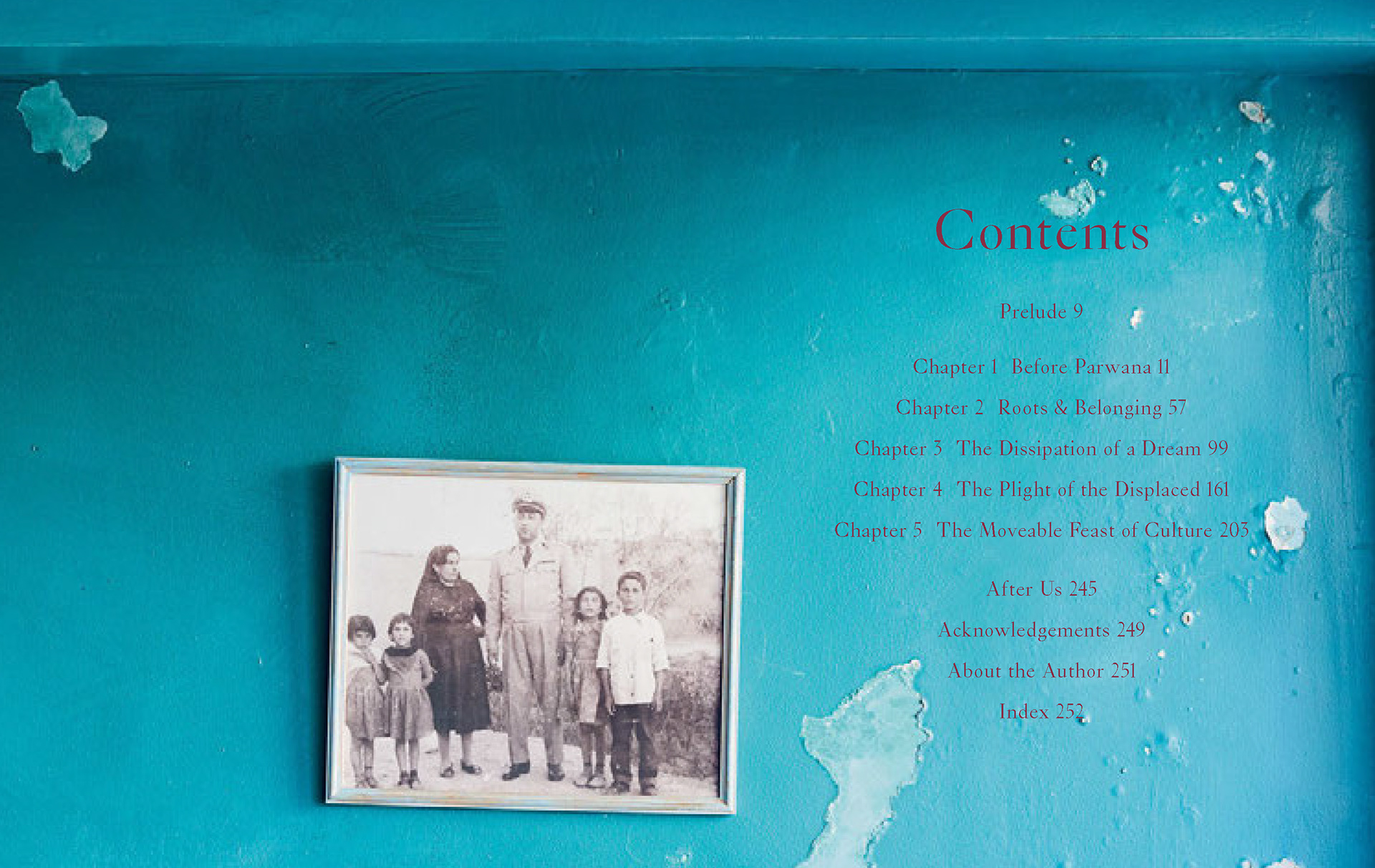
An unexpected joy in Parwana was reading the moving account of the Ayubi family being displaced from Afghanistan in 1985, traveling from Kabul through Jalalabad to Torkham before entering Pakistan via the Khyber Pass. They eventually settled in Australia, where they opened Parwana Afghan Kitchen in Torrensville, South Australia. Their story echoes my own immigrant experience as an eight-year-old leaving Rangoon, Burma (present-day Yangon, Myanmar) and calling California home since January 1990.
Cooking should be a fun challenge. Using Parwana to explore Afghan cuisine left me feeling both accomplished and satisfied. To help you further explore the cuisine, I also recommend the following books, which I was able to borrow from my local library:
• Afghan Food & Cookery: Noshe Djan (ISBN: 9780781808071) by Helen Saberi. Originally published in 1986 by Prospect Books (UK), this was the first book on Afghan cuisine introduced to the Western world.
• The Best of Afghan Cooking (ISBN: 978-0781814430) by Zarghuna S. Adel.
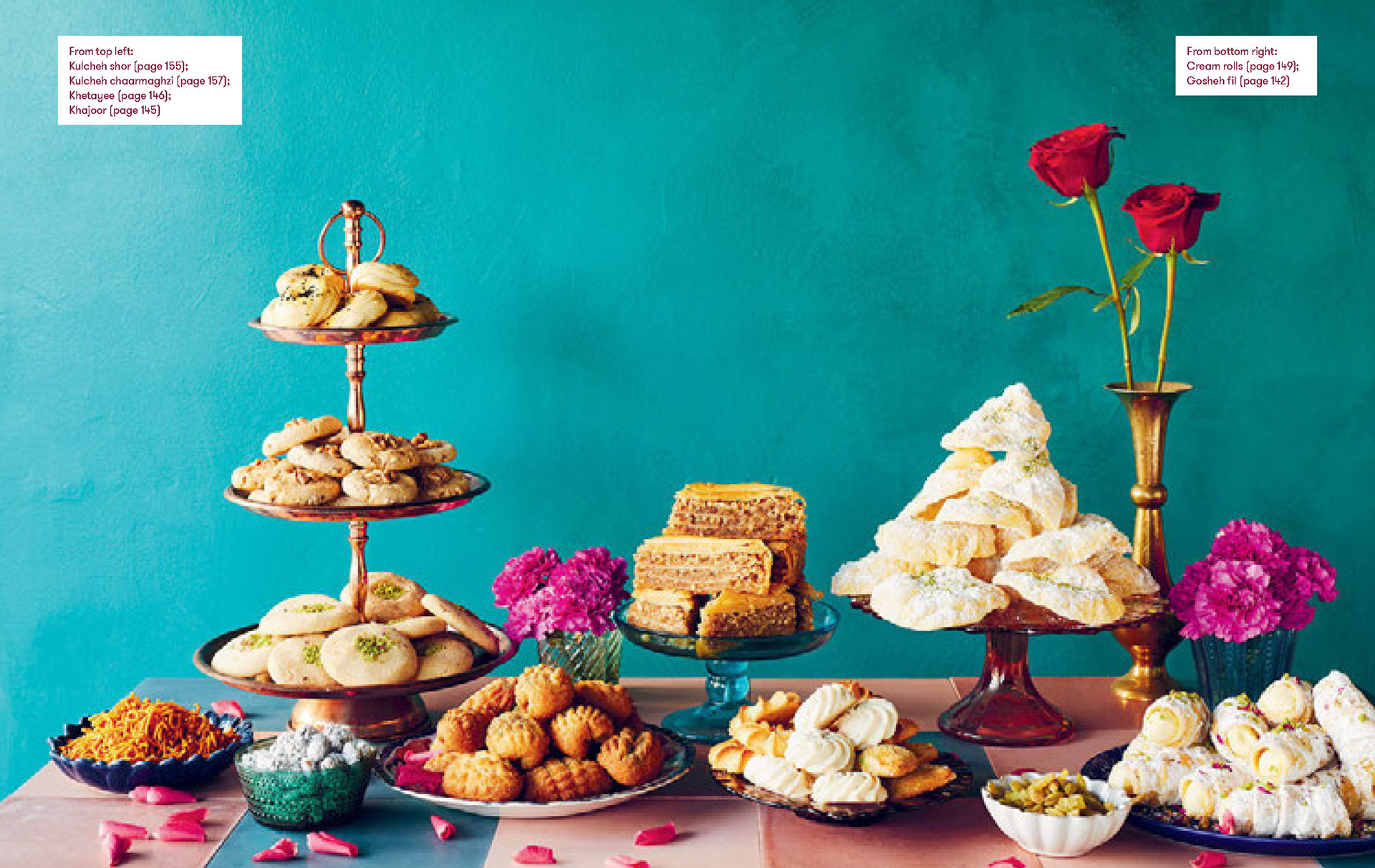
I also suggest looking into Arman: An Afghan Cookbook from a Kitchen of Longing by Mirriam Seddiq. Known for her popular YouTube channel @afghancooks, Mrs. Seddiq is a licensed immigration and criminal defense attorney practicing in the District of Columbia-Maryland-Virginia area. Her book was recently released in 2026; more information can be found at her website, Afghan Cooks, where it currently costs 42.99 USD. While I cannot speak to the specific typography or editorial polish of Arman, the information available via Mrs. Seddiq’s social media suggests a very high-quality production, reflecting her three years of dedicated research, writing, and assembly.
Ronald N. Tan
Personal Chef at Tan Can Cook
Vacaville, California
Personal Chef at Tan Can Cook
Vacaville, California