Kulanjan (Paan ki Jad): Lesser Galangal, Not Betel Root
By Ronald N. Tan
Personal Chef at Tan Can Cook
Personal Chef at Tan Can Cook
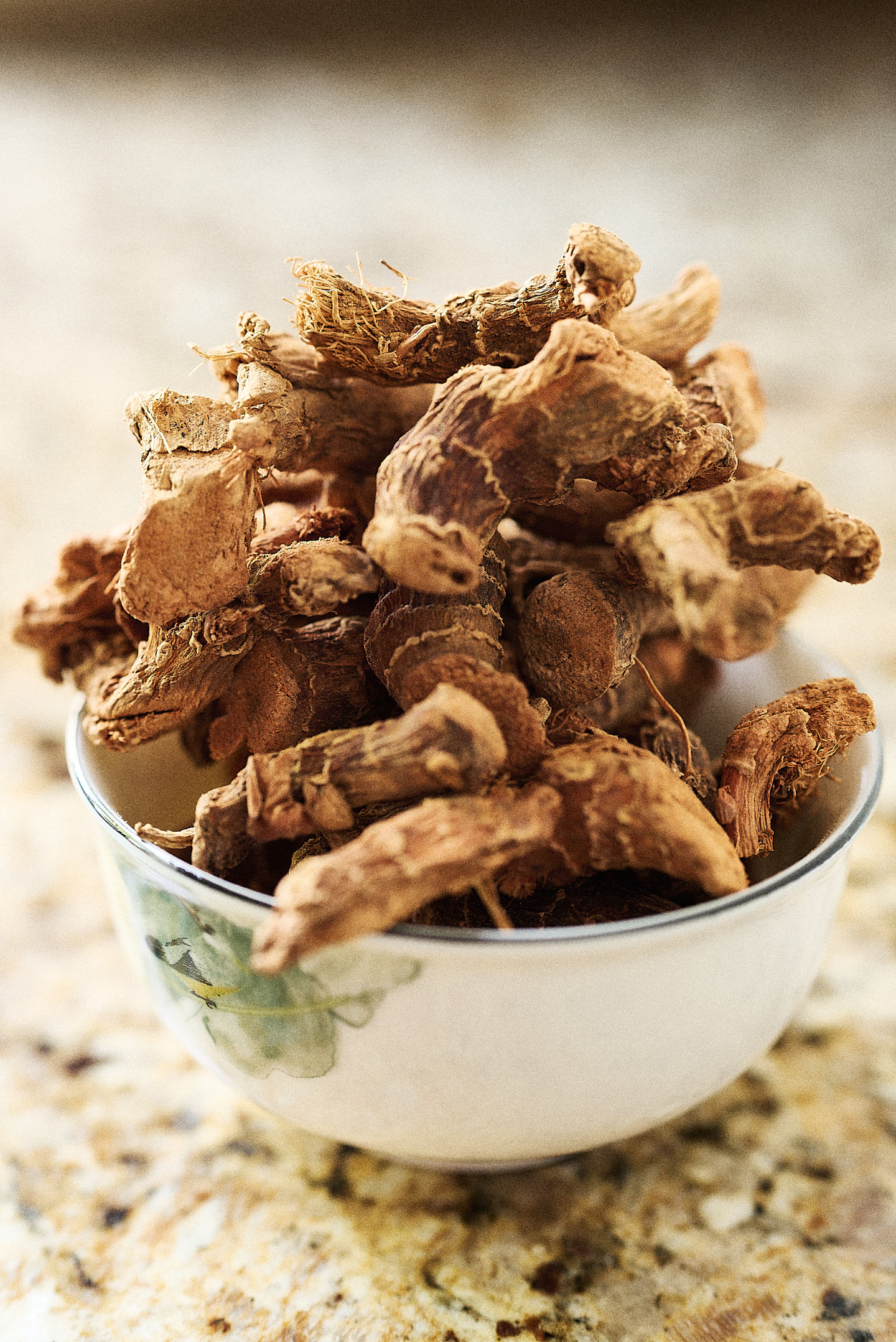
The vernacular naming conventions of the South Asian spice trade historically created significant taxonomic confusion regarding the identity of lesser galangal (Alpinia officinarum). Across regional Indian markets, this dried rhizome was widely bought and sold under the popular Hindustani names kulanjan and paan ki jad (or pan ji jar, literally meaning "root of betel").¹ In his landmark linguistic and botanical survey, Moodeen Sheriff documented that while greater galangal (Alpinia galanga) was sold as bare or safed pan ki jar, the true lesser galangal (Alpinia officinarum) was explicitly designated in the bazaars as chhote or kale pan ki jar.²
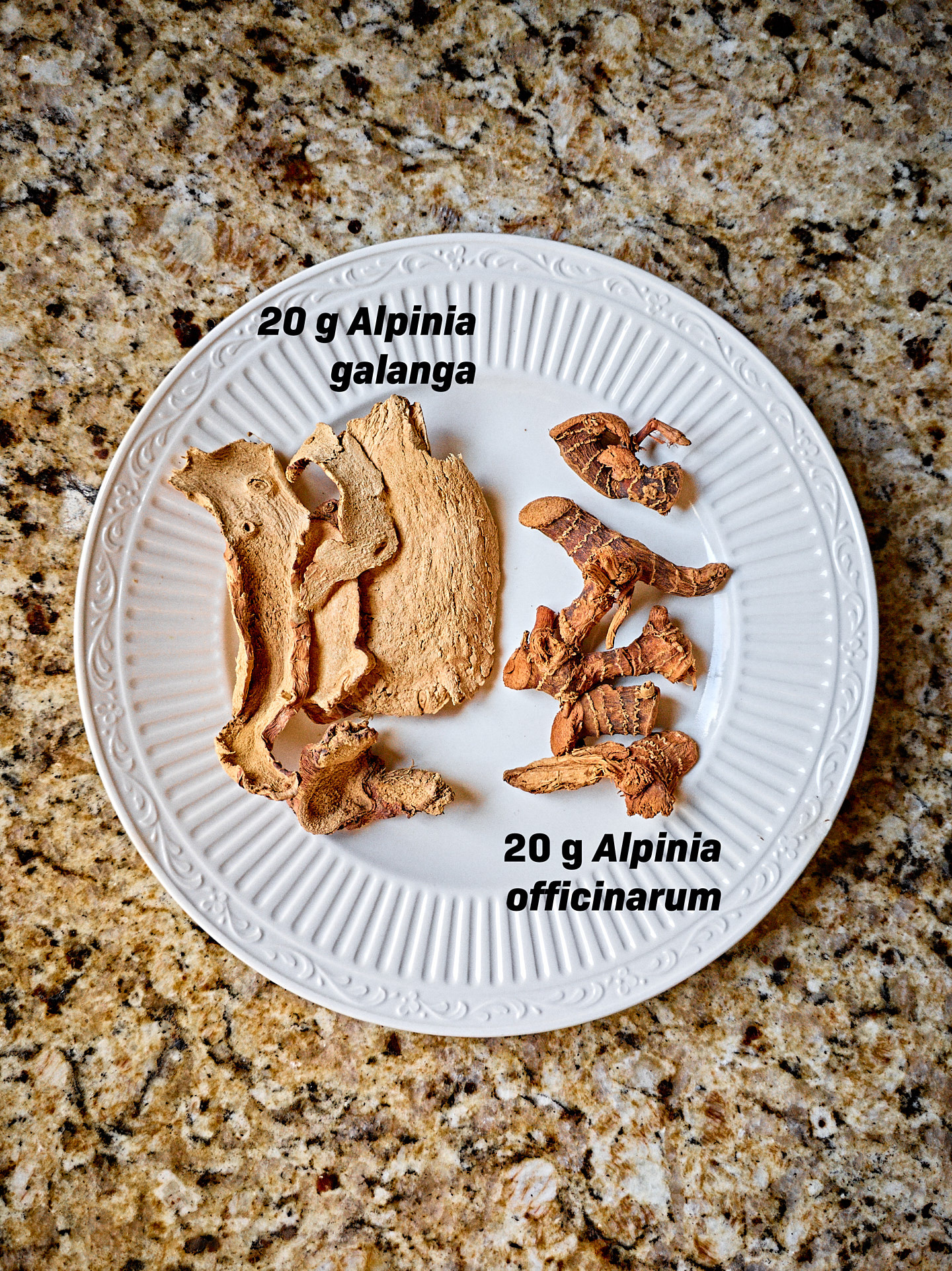
This deep-seated commercial nomenclature led early Indian and Islamic medical scholars, such as the compilers of the traditional Unani encyclopedia Makhzan-al-Adwiya, to theorize that the herb might be the mature root of an aging betel vine (Piper betle), a misconception that persisted stubbornly among native practitioners and herbalists despite being entirely contrary to anatomical fact.³
Anthropological and culinary evidence reveals that this bazaar designation was never an accurate botanical description, but rather a sensory metaphor. The rhizome of Alpinia officinarum was dubbed paan ki jad by traders because its fiery, peppery, and highly aromatic volatile oils produced a warming chemical sensation that closely mimicked the distinct taste experienced when chewing fresh betel leaves.⁴ Anatomically, true betel vine roots (Piper betle) are neither tuberous nor do they bear any physical resemblance to galangal; the latter belongs strictly to the horizontal, starchy rhizome-producing ginger family (Zingiberaceae).⁵ Ultimately, macroscopic and trade records confirm that Alpinia officinarum is the true botanical species behind these Hindustani terms, tracing its legacy past the linguistic traps of the marketplace.⁶
Footnotes (Full Note Format)
George Watt, A Dictionary of the Economic Products of India, vol. 1 (Calcutta: Office of the Superintendent of Government Printing, 1889), 195–96.
Moodeen Sheriff, A Catalogue of Indian Synonymes of the Medicinal Plants, Products, Inorganic Substances (India: Periodical Experts Book Agency, 2020; originally published 1869), 40.
William Dymock, C. J. H. Warden, and David Hooper, Pharmacographia Indica: A History of the Principal Drugs of Vegetable Origin Met with in British India (London: K. Paul, Trench, Trübner & Company, 1893), 437–40; Sheriff, Catalogue of Indian Synonymes, 40.
The Journal of the Anthropological Society of Bombay 2 (1890): 45–46.
Sheriff, Catalogue of Indian Synonymes, 40; Shahid Akbar, Handbook of 200 Medicinal Plants: A Comprehensive Review of Their Traditional Medical Uses and Scientific Justifications (Cham: Springer International Publishing, 2020), 217–21.
Watt, Dictionary of the Economic Products of India, 195–96; Dymock, Warden, and Hooper, Pharmacographia Indica, 437–40; Akbar, Handbook of 200 Medicinal Plants, 217–21.
Bibliography
Akbar, Shahid. Handbook of 200 Medicinal Plants: A Comprehensive Review of Their Traditional Medical Uses and Scientific Justifications. Cham: Springer International Publishing, 2020.
Dymock, William, C. J. H. Warden, and David Hooper. Pharmacographia Indica: A History of the Principal Drugs of Vegetable Origin, Met with in British India. London: K. Paul, Trench, Trübner & Company, 1893.
The Journal of the Anthropological Society of Bombay 2 (1890).
Sheriff, Moodeen. A Catalogue of Indian Synonymes of the Medicinal Plants, Products, Inorganic Substances. Originally published 1869. Reprint, India: Periodical Experts Book Agency, 2020.
Watt, George. A Dictionary of the Economic Products of India. Vol. 1. Calcutta: Office of the Superintendent of Government Printing, 1889.